
Why Travel Agencies Lose Clients at the Quote Stage (and How to Fix It)
The enquiry came in. Your agent responded, asked the right questions, and sent a quote an hour later. And then, silence. The client stopped replying. You followed up once, maybe twice. Nothing. They booked somewhere else.
This scenario plays out dozens of times a month across travel agencies in Uzbekistan. The agency did everything "right", yet still lost the client. The problem is the quote stage, not the enquiry stage. And it's almost entirely fixable.
"A quote is the most fragile moment in the sale, not the end of it. Most agencies treat sending a quote as a finish line, when it is really a starting gun."
The Four Reasons Quotes Don't Convert
After analysing hundreds of lost enquiries from travel agencies across Uzbekistan, the same four failure patterns appear again and again:
- Too slow: The quote arrived more than 3 hours after the client asked. By then, two other agencies had already replied.
- Too generic: The quote was a price and a hotel name, no itinerary, no visuals, no explanation of what's included. The client couldn't picture the trip.
- No expiry or urgency: The quote sat open indefinitely. The client "thought about it" for a week, then the price changed, and they felt misled.
- No follow-up: After sending the quote, the agency waited passively. No check-in at 24 hours, no offer to adjust, no nudge. Silence reads as indifference.
Notice that only one of these four, speed, is about timing. The other three are about how the quote is built and what happens after it's sent. That means even a fast agency can lose clients at this stage if the quote itself is weak.

What a High-Converting Quote Actually Contains
Compare two quotes sent for the same Istanbul tour at the same price:
Weak Quote
- "Istanbul 7 nights, $850/person"
- Hotel name only
- No what's included
- No expiry date
- No next step
Strong Quote
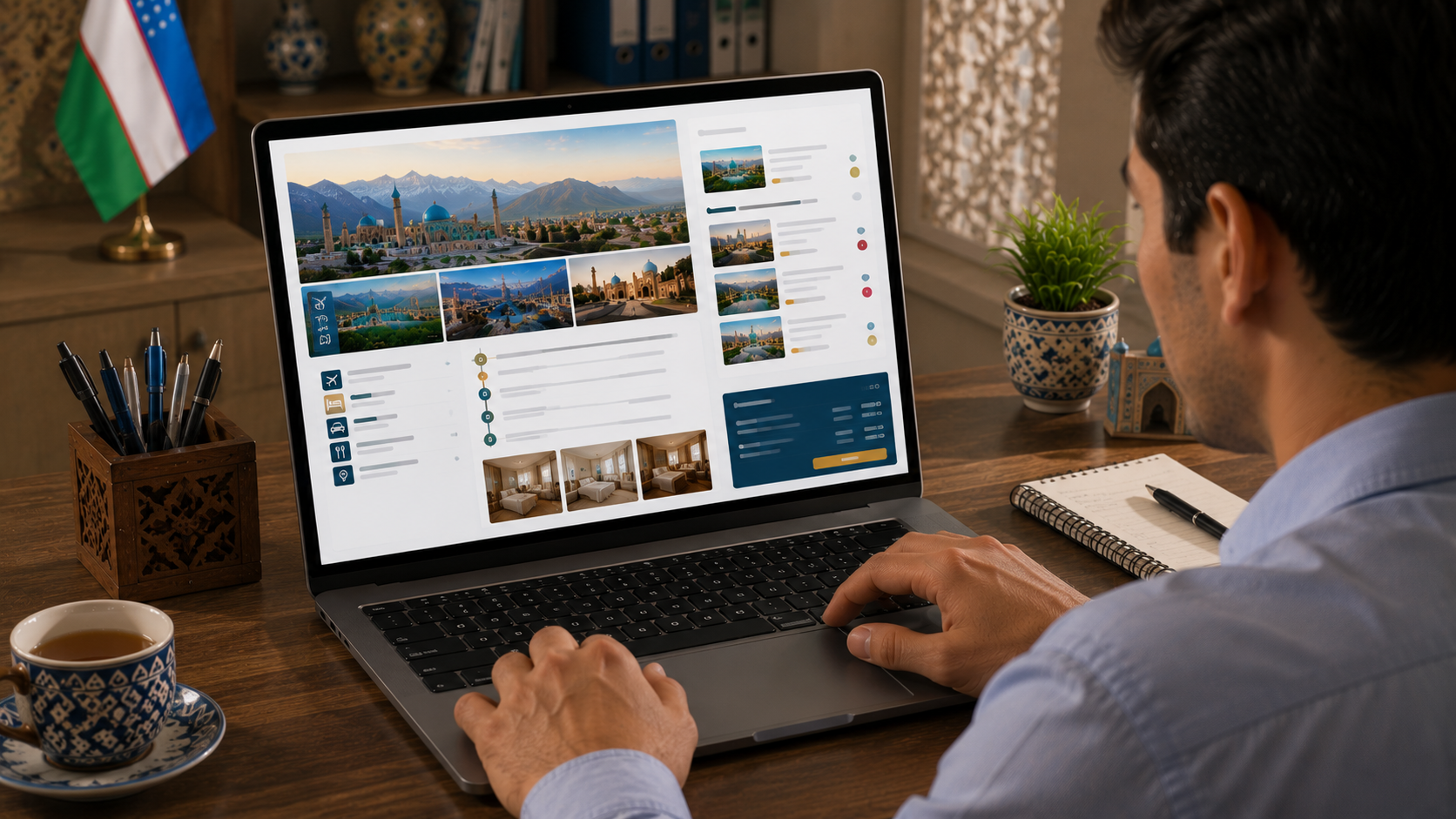
- Day-by-day itinerary
- Hotel photo + star rating
- Inclusions listed clearly
- "Price valid until [date]"
- "Reply or call to confirm"
The strong quote takes an extra 10 minutes to build. But it answers every question the client might have before they even think to ask it, which means they don't have a reason to "think about it and check with other agencies." They have everything they need to decide.
Adding a clear expiry ("this price is valid until Friday") is especially powerful. It's not pressure, it's transparency. Prices genuinely change. Telling the client that protects both sides and creates a natural moment for them to act.
Agencies that add a 48-hour expiry and a day-by-day itinerary to their quotes report 40-60% higher confirmation rates, from the same pool of enquiries, with no change to pricing.
The Follow-Up Gap: Where the Real Money Leaks
Fixing the quote itself handles three of the four failure reasons. The fourth, no follow-up, is a separate problem, and it's the most expensive one.
Here is what typically happens: an agent sends a quote at 14:30. The client reads it, gets distracted, and means to reply later. By the next morning, three other quotes have arrived in their Telegram and they've already forgotten which agency was which. Your quote is now competing with inertia.
A single follow-up message at the 20-24 hour mark, "Hi, just checking if you had a chance to look at the offer, happy to adjust anything", recovers a significant share of these stalled conversations. It doesn't feel pushy. It feels attentive. And attentiveness is exactly what clients are paying a travel agency for.
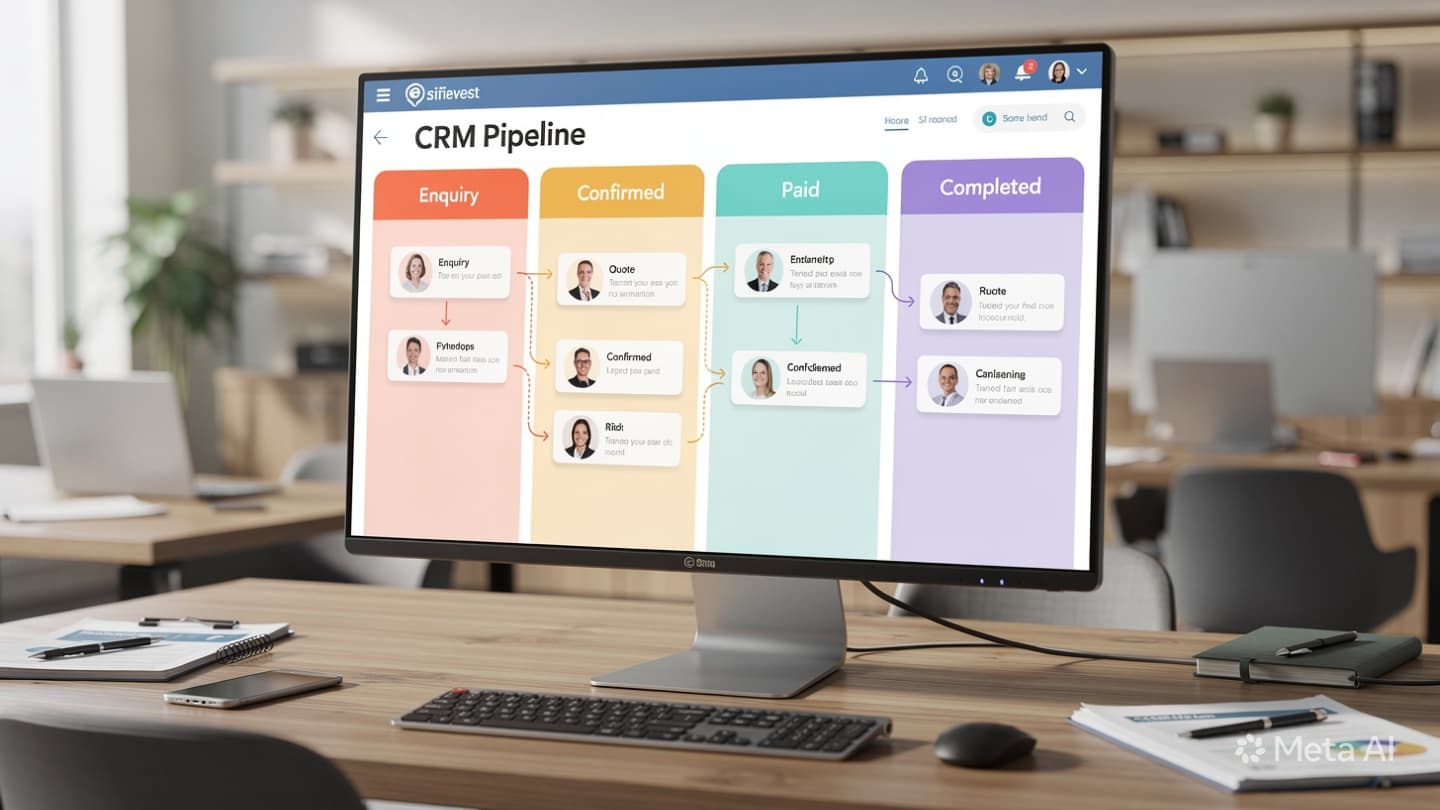
The problem is that agents don't send this message consistently, because they're managing 12 other enquiries simultaneously. This is exactly what a CRM follow-up reminder solves. Set it once per quote sent: if no response in 20 hours, the system nudges the agent to follow up. No memory required.
A Three-Step Fix You Can Run This Week
- Build a quote template: Create one reusable template that includes a day-by-day itinerary skeleton, a photo slot, an inclusions checklist, and a "price valid until" line. Filling it in takes 10 minutes per quote, not 45.
- Set a quote SLA: Every enquiry that reaches the quote stage must have a quote sent within 2 hours of the client's initial message. Track this in your CRM, it's a leading indicator of conversion, not a vanity metric.
- Automate the 24-hour nudge: In your CRM, create a rule: if a quote has been sent and no reply recorded in 20 hours, the assigned agent receives a reminder to follow up. This single rule alone recovers 15-25% of quotes that would otherwise go cold.
These changes cost nothing beyond 30 minutes of setup. But they address the exact reasons your quotes are going silent right now. If you'd like help building this into a working system for your agency, reach out for a free consultation, we'll show you how it fits inside the tools you already use.