
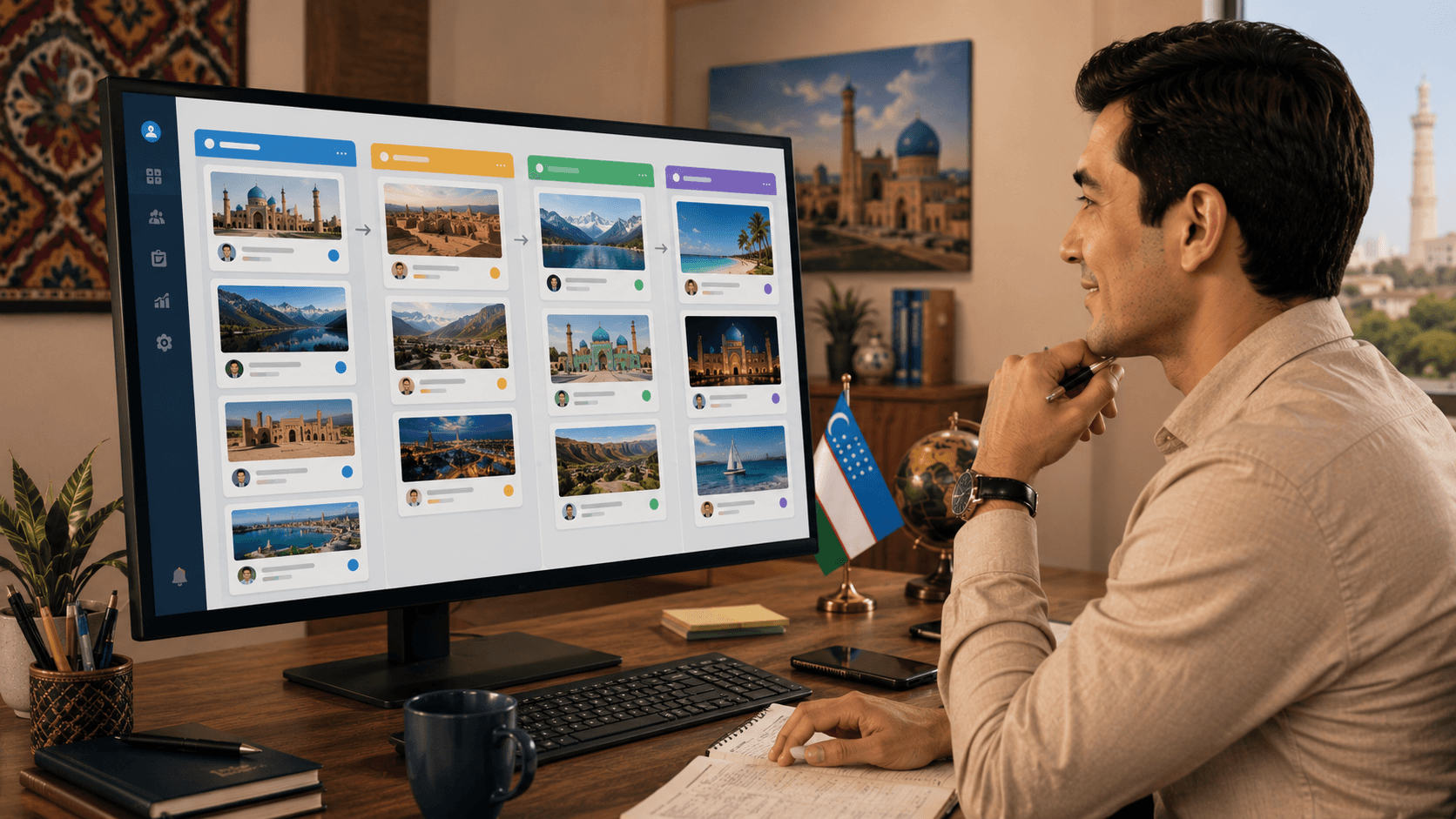
Partnership Marketing: Collaborating with Hotels, Airlines, and Visa Centers
An agency does not have to find every client on its own. All around you are businesses that serve the same travellers you do, at different points of their journey: the hotel they stay in, the airline they fly, the visa center they visit, the insurer they need. These are not competitors; they are natural partners, each sitting in front of your future clients at a moment when a recommendation to a good agency would be welcome. Partnership marketing is simply the practice of turning those overlaps into a steady, mutual flow of referrals.
It is one of the most cost-effective ways to grow, because a referral from a trusted partner arrives warm, already half-sold by the recommendation. Yet many agencies never build these relationships, trying instead to win every client through their own marketing alone. The agencies that grow steadily are often the ones quietly receiving a stream of clients from partners they took the time to cultivate.
Why Partnerships Work
Partnership marketing works because it puts you in front of the right people at the right time, through someone they already trust. A traveller getting a visa is, by definition, planning a trip; a recommendation to a reliable agency at that exact moment is genuinely helpful, not an intrusion. The partner gets to offer their client something useful, the client gets a trusted suggestion instead of a cold search, and you get a warm lead that converts far more easily than a stranger from an advertisement. Everyone gains, which is what makes a good partnership durable.
The magic is that the trust transfers. When a partner recommends you, they lend you a piece of the credibility they have built with their own client, exactly as a personal referral does. This is why a warm introduction from a partner is worth many cold leads: the client arrives already inclined to trust you. Build enough of these relationships and you create a network of people steadily sending business your way, each one a channel you do not have to pay for every time you use it.
Who to Partner With
The best partners are businesses that touch your travellers without competing with you. A handful of obvious ones surround almost every agency.
Hotels and Local Operators
They serve the same travellers at the destination; a referral each way sends business in both directions.
Airlines and Ticketing Partners
A relationship with an air partner can mean better fares, smoother ticketing, and a steady source of clients.
Visa and Document Centers
People sorting a visa are often planning a trip; a partnership puts you in front of them at the right moment.
Insurance Providers
Offering insurance through a partner adds value for your clients and a margin for you, with little extra effort.
Complementary Local Businesses
Wedding planners, event organisers, and others whose clients travel can become a quiet, steady referral source.
The hotel, the airline, and the visa center all sit in front of your future clients. A partnership turns those overlaps into a steady stream of warm referrals you never had to chase.
How to Build a Partnership
A good partnership is built deliberately, by leading with value and making it easy. Four steps turn an introduction into a lasting referral channel.
Find Genuinely Complementary Partners
Look for businesses that serve your kind of client without competing with you, so a referral helps both sides.
Offer Them Real Value First
Lead with what you can do for them, referrals, convenience, a better deal for their clients, not just what you want.
Make Referring You Effortless
Give partners an easy way to send clients your way, so recommending you takes no effort on their part.
Keep the Relationship Warm
Stay in touch, deliver reliably for the clients they send, and the partnership keeps producing over years.
Start With the Partners Closest to You
You do not need a grand partnership strategy to begin. The easiest first partnerships are usually with businesses you already deal with: a hotel you book often, a visa center your clients already use, a local operator you trust. The relationship is half-built already, so proposing a simple two-way referral arrangement is natural rather than cold. Start with one or two of these, make them work, and you will quickly understand what a good partnership looks like and how to approach the next. Trying to build a dozen partnerships at once usually means none of them gets the attention it needs to become real. The durable approach is to grow the network one solid relationship at a time, starting with the people who already know you.
Going It Alone vs Partnership Reach
Going It Alone
- Finding every client from scratch yourself
- No one sending business your way
- Limited to the people you reach directly
- Every lead costs full marketing effort
Partnership Reach
- Partners send you a steady stream of clients
- A flow of business in both directions
- Access to audiences you could not reach alone
- Warm referrals that convert far more easily
Make It Mutual, Easy, and Tracked
Three things separate a partnership that lasts from one that fizzles. First, it has to be genuinely mutual: a partner who only ever sends and never receives will lose interest, so the strongest partnerships flow in both directions, with each side sending the other business. Second, it has to be easy: if recommending you is any hassle, a busy partner simply will not bother, so the referral has to take them seconds. And third, like any source of business, it has to be tracked.
That last point is where partnerships connect to how the agency runs. If you do not record which clients came from which partner, you cannot tell which relationships are actually producing, cannot thank and reward the partners who send you the most, and cannot nurture the network deliberately. A partnership you cannot measure quietly drifts; one you track, you can grow, by leaning into the relationships that work and tending the ones worth saving. When every referral is recorded against the partner who sent it, partnership marketing becomes a managed channel rather than a happy accident. If you want to track and grow the partner relationships that send you business, reach out for a free consultation.