
How to Know Which Agent Is Closing the Most Bookings
Every agency has a sense of who its best agent is. Usually it is the confident one, the one who talks the most in meetings, the one the owner likes. Sometimes that instinct is right. Often it is wrong, and the quiet agent in the corner is quietly out-booking everyone while the loud one coasts on reputation. Without numbers, you are rewarding personality instead of performance.
Measuring this fairly has nothing to do with surveillance. The aim is to give credit where it is earned and to spot who needs help before they burn out or leave.
Bookings Alone Is the Wrong Measure
The obvious move is to count bookings per agent and rank them. The problem is that this punishes agents who were handed harder leads. An agent working cold website enquiries will book fewer than one handed warm referrals, even if the first is the better salesperson. Raw booking counts measure the leads as much as the agent.
Counting bookings tells you who got the easy leads. Counting conversion rate tells you who is actually good. Those are rarely the same agent.
Measure Conversion, Value, and Speed Together
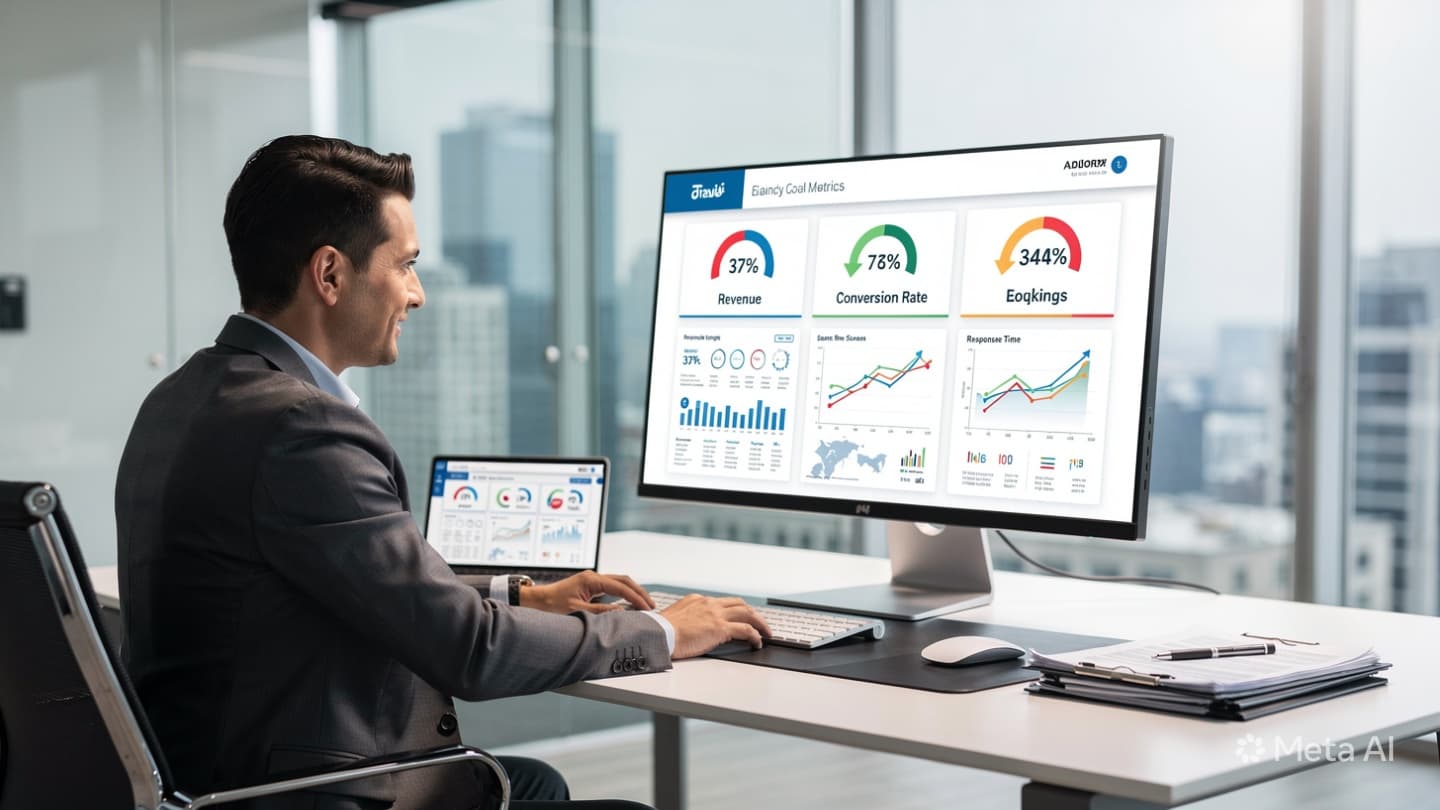
A fair picture comes from three numbers per agent, looked at together rather than one in isolation.
Conversion rate
Of the enquiries assigned to them, how many they closed. This strips out luck in lead quality and shows real closing skill.
Average booking value
An agent who closes fewer but larger trips can be worth more than one racking up cheap bookings.
Response time
The agent who replies fast does the part of the job that quietly wins or loses clients.
Look at these side by side and the real picture appears. You might find your top closer by raw bookings actually has a mediocre conversion rate and simply receives the most leads. Meanwhile a newer agent converts at twice the rate on half the volume, which means giving them more leads would lift the whole agency.
Use It to Coach, Not to Punish
The point of measuring agents is not a leaderboard to shame the bottom. It is to see clearly so you can act. A strong closer with a slow response time needs help managing their queue, not criticism. A fast responder with low conversion may need coaching on quotes. The numbers turn a vague sense that someone is struggling into a specific thing you can fix.
To track any of this, you need every enquiry assigned to a named agent and its outcome recorded. A spreadsheet can do it for a small team. A CRM does it automatically and removes the temptation to fudge the figures, since each enquiry and booking is logged as it happens.
What the Numbers Often Reveal
When agencies first measure agents this way, the surprises are consistent. The owner's favourite, the confident one who books the most in raw numbers, often turns out to convert no better than average and simply receives the most leads. A quiet agent who never argues in meetings converts at the highest rate but is starved of volume. And the agent everyone assumed was weak is often just slow to respond, losing winnable clients in the first hour rather than in the pitch.
Each of those findings changes a decision. The high converter should get more leads, not fewer, because every extra enquiry in their hands is worth more. The slow responder needs a lighter queue or a faster handover, not a warning. And the raw-volume leader is fine, but you now know their results come from lead flow, so you stop modelling the whole team on a style that only works with a full pipeline. Measured honestly, the same three numbers both reward the right people and tell you exactly how to help everyone else.
How to Start Without a CRM
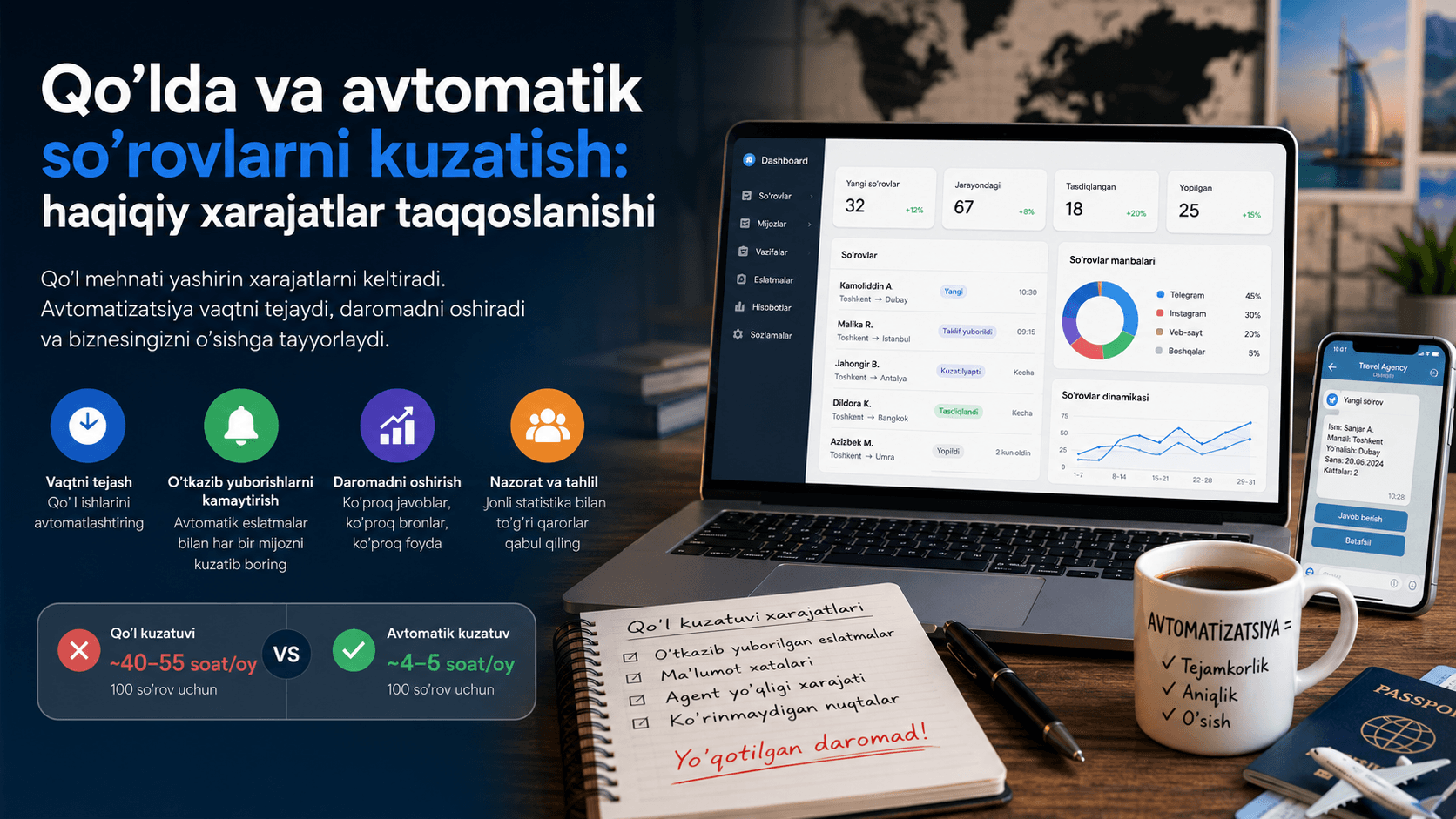
You do not need software to begin. For a small team, a simple shared sheet with one row per enquiry, columns for the agent it was assigned to, the date it arrived, the date of first reply, the outcome, and the booking value, gives you everything. At the end of the month, a few minutes of counting turns those rows into each agent's conversion rate, average value, and rough response time. It is tedious, but it is honest, and it tells you more than a year of gut feeling.
The discipline that makes or breaks it is logging every enquiry, not just the ones that booked. The moment an agent starts quietly leaving out the enquiries they lost, the numbers flatter everyone and mean nothing. Once the manual version proves its worth, a CRM removes the tedium and the temptation, recording each enquiry and outcome as it happens so the figures stay clean without anyone having to remember.
Make It a Monthly Habit
Look at these numbers once a month, not once a year at review time. A monthly rhythm catches a struggling agent while you can still help, spots a rising star before a competitor does, and keeps the whole team aware that effort is seen and rewarded fairly. The point was never the spreadsheet. It is the fairer, sharper decisions it lets you make.
If you want each agent's conversion, value, and speed tracked automatically so you can reward and coach on facts, reach out for a free consultation.